
Lighting Strategy for Fall: Making the Most of Shorter Days
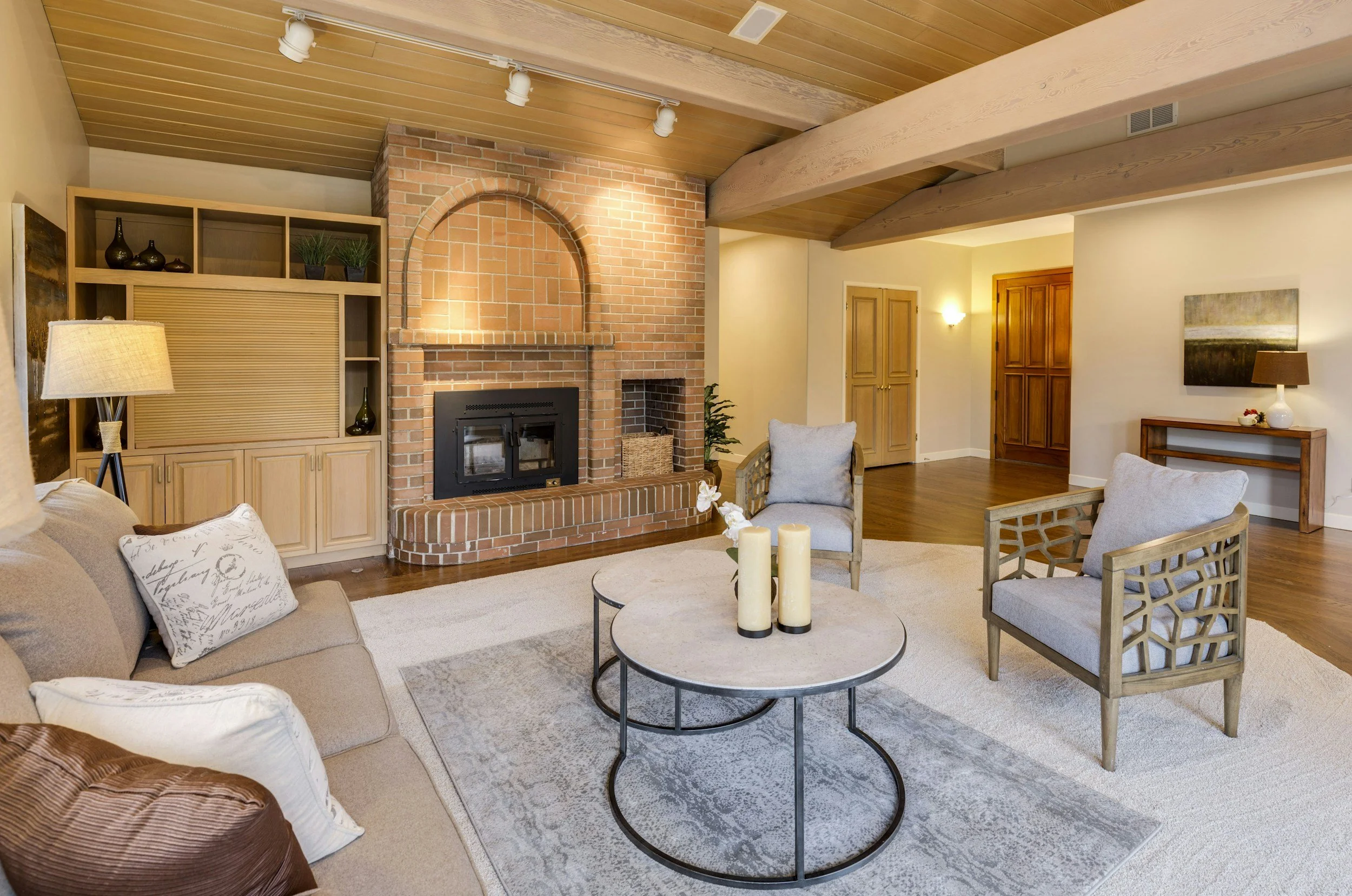
A single overhead light source produces flat, unappealing illumination. Fall staging demands layered light: ambient for overall brightness, task lighting for function, and accent lighting to create depth and warmth.
In practice, layering means:
• Floor and table lamps that add warmth at eye level
• Accent lighting that highlights architectural features or art
• Dimmer switches where possible to control mood by time of day
Color in Fall Staging: Warm Without Going Dark
Colorado buyers respond to color that feels organic rather than decorative. We favor:
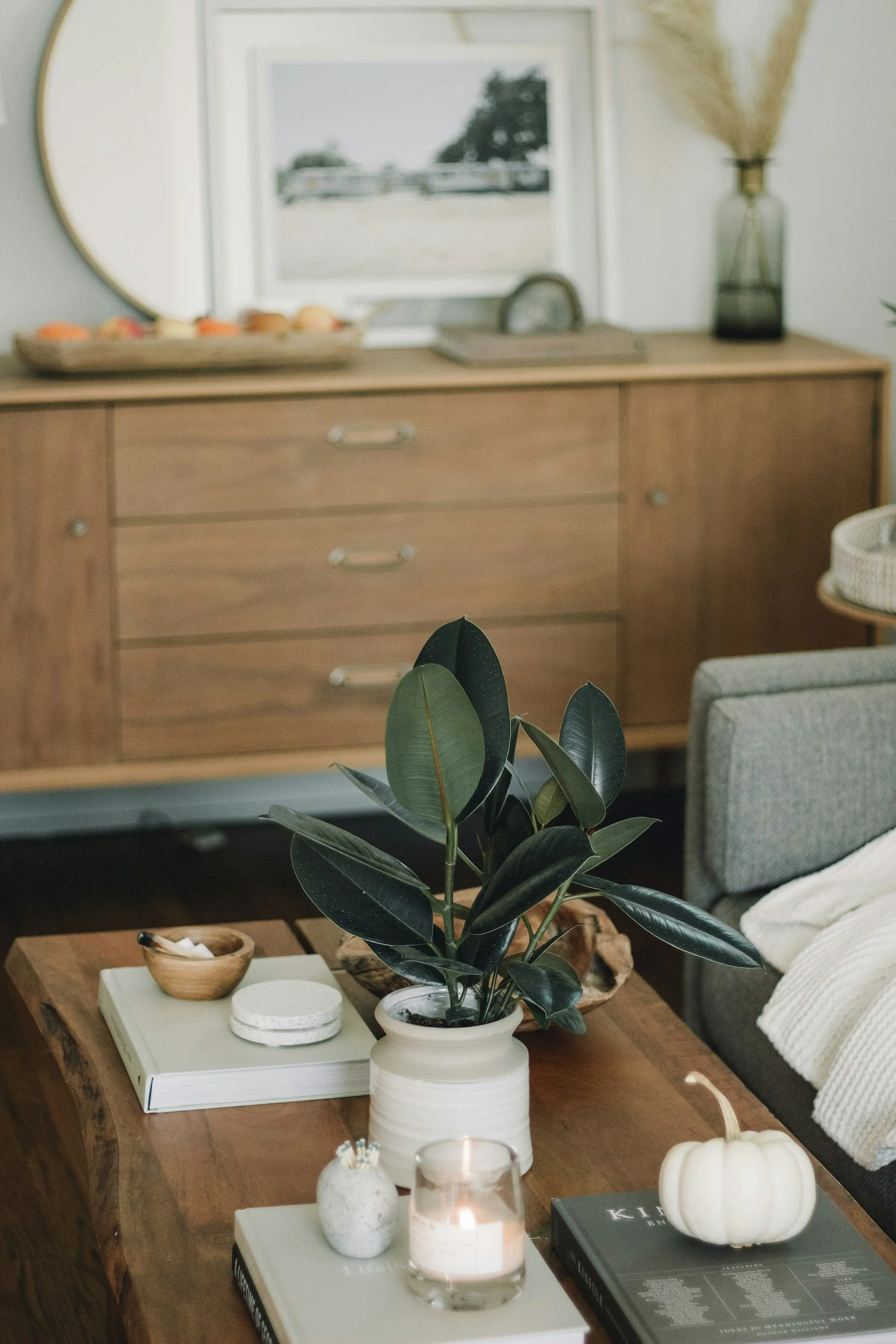
• Warm camel and cognac tones in pillows and throws
• Terracotta and dusty rust in ceramics and small art
• Muted olive and sage that bridges summer and fall
• Natural textures — jute, rattan, wool — that carry warmth without adding color
Fall Staging: How to Shift from Summer to Sold
Summer staging prioritizes ease and openness. Fall staging pivots toward warmth, depth, and comfort. The shift is subtle but significant.
Fall staging adds:
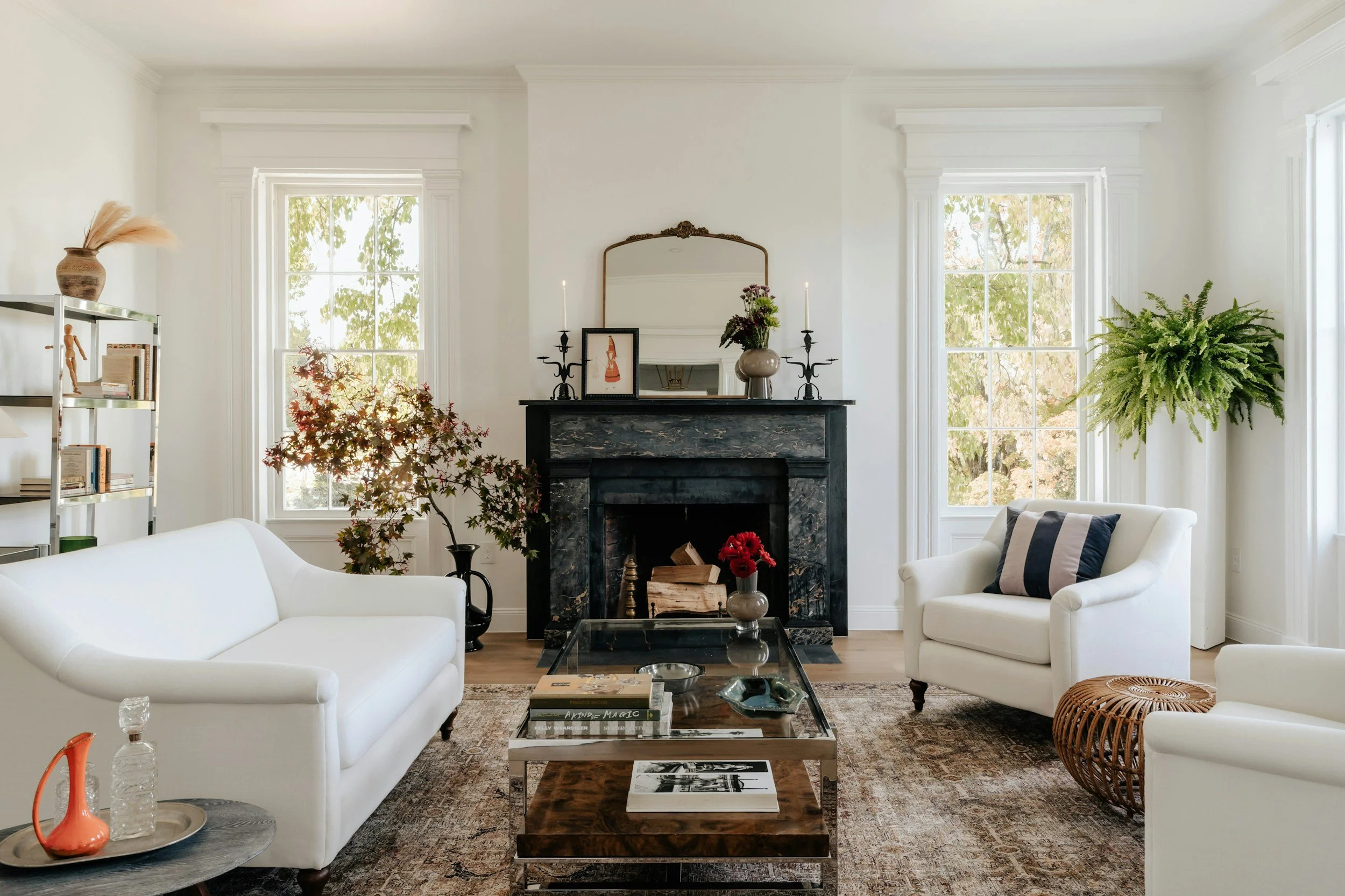
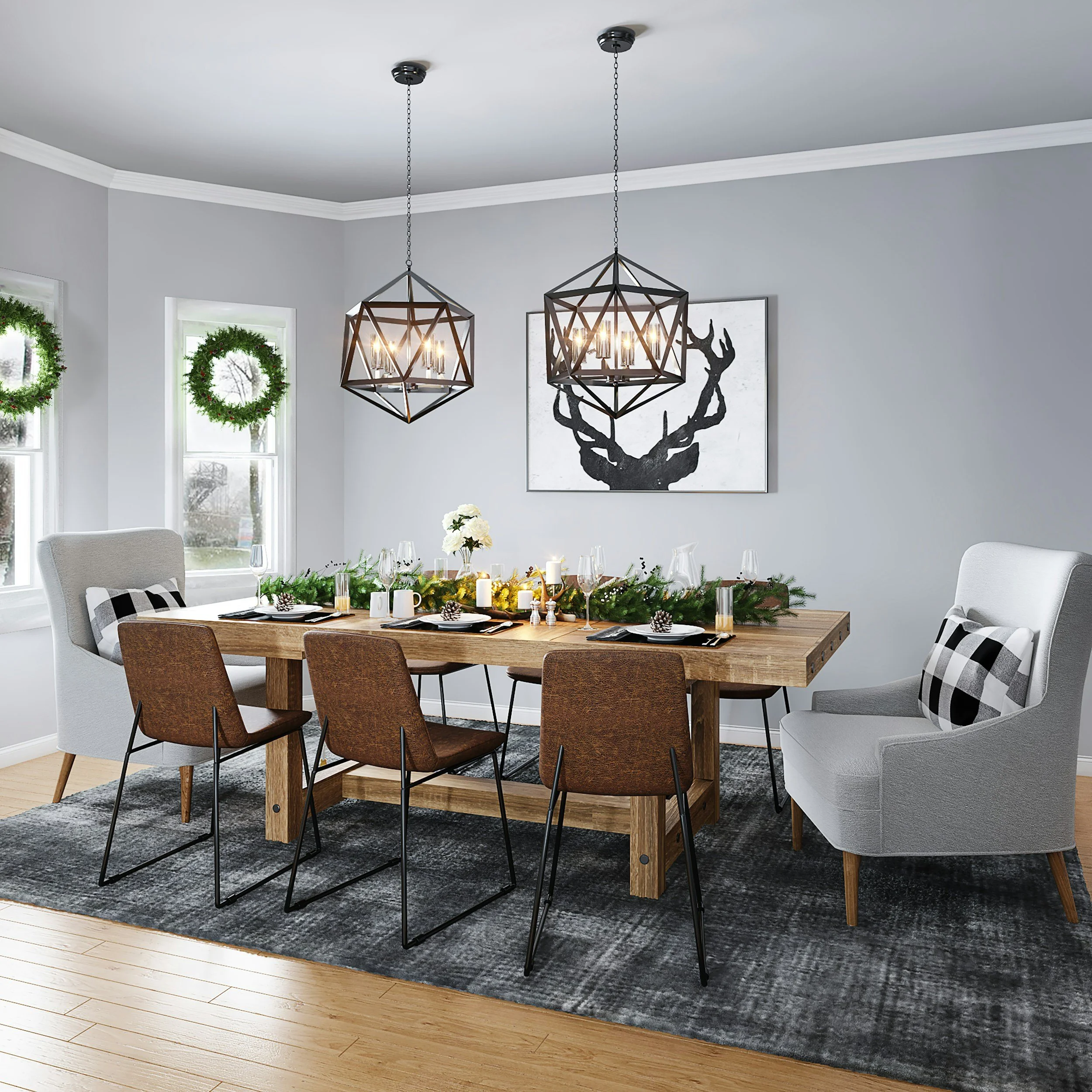
• Heavier textures — woven throws, layered rugs, linen-cotton blends
• Warmer color accents — camel, rust, terracotta, deep cream
• Richer wood tones and matte ceramic accessories
As Summer Ends: Staging for the Fall Market Ahead
Fall buyers tend to be individuals, couples without school-age children, or highly motivated buyers who didn't find what they needed earlier. They're deliberate and discerning — staging for them means depth and quality.
Staging Myths That Cost Sellers Money
A clean, attractive home and a staged home are not the same thing. Staging is market positioning — designing a space to appeal to the broadest possible buyer audience, not personal taste.
How Staging Impacts Appraisal Value: What Sellers Need to Know
A well-maintained, well-presented home may receive positive adjustments against comparable sales. A neglected or cluttered home may receive negative ones. Staging improves perceived condition.
Late Summer Listings: How to Stage When Inventory Gets Crowded
When every home in a price range looks similar, staging creates differentiation.
We focus late summer staging on:
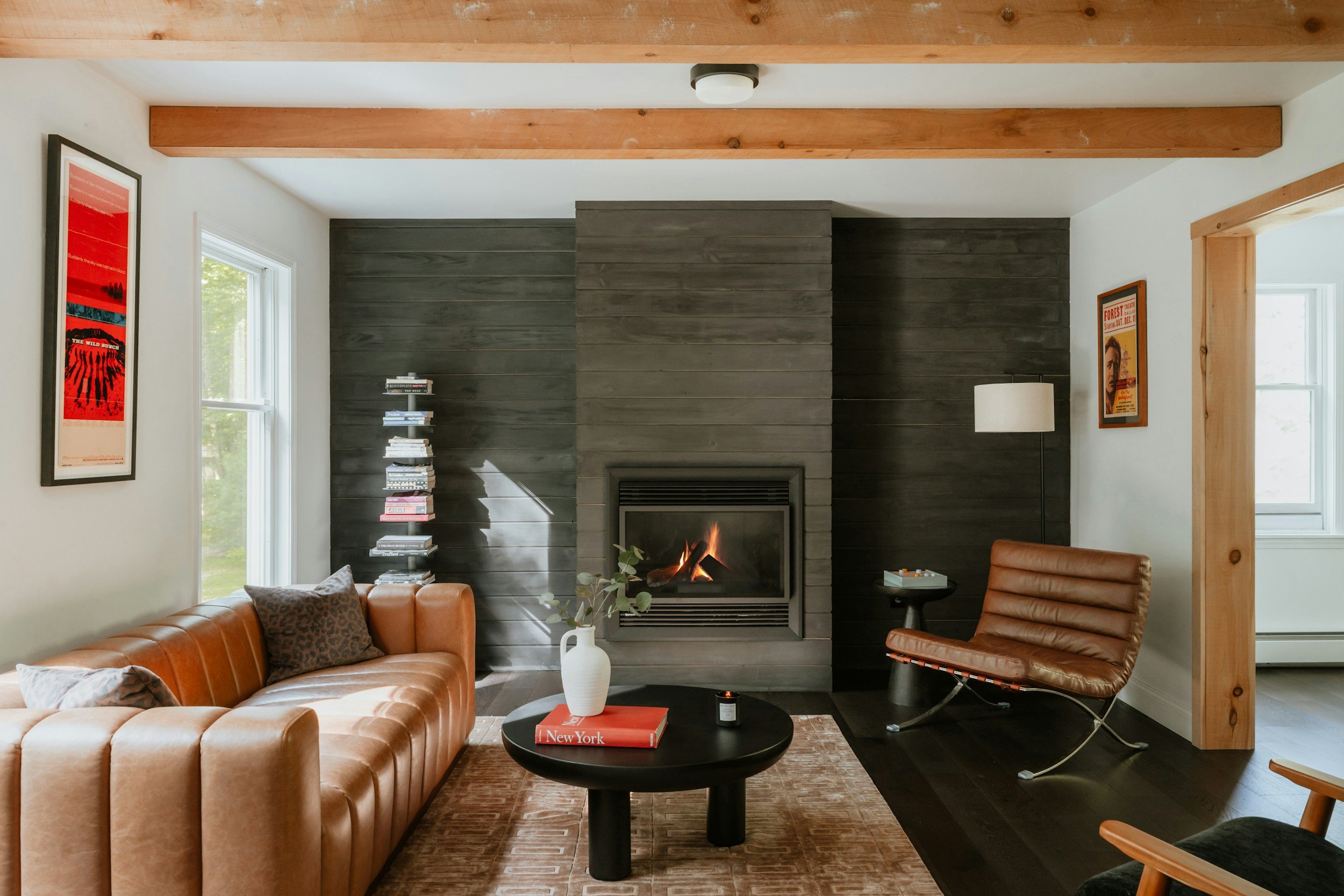
• Highlighting unique architectural features
• Creating spaces that photograph with clear visual hierarchy
• Eliminating anything that dilutes the home's strongest selling points
Bathrooms That Impress: Summer Staging Tips for a High-Impact Space
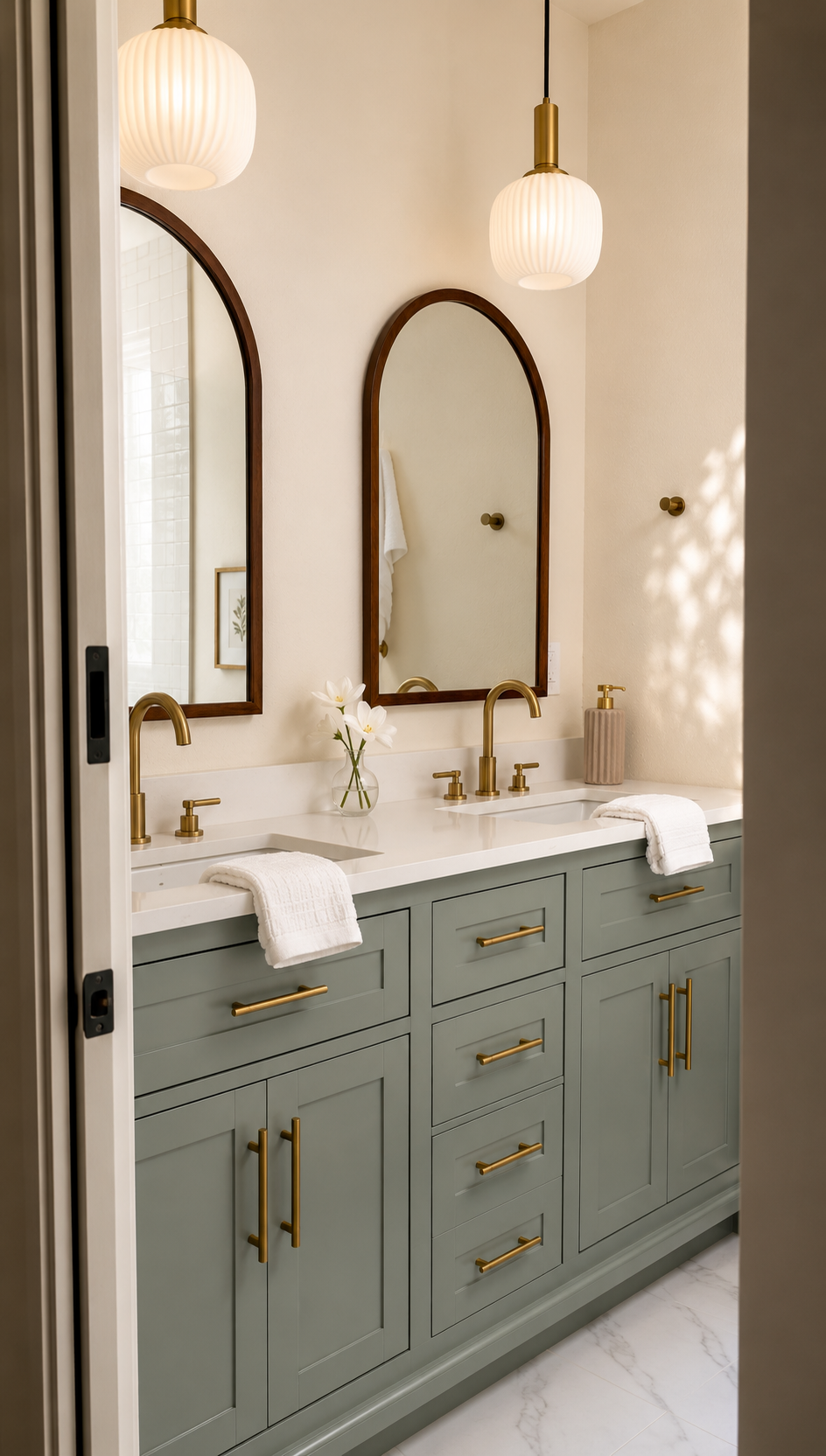
Summer buyers are drawn to the idea of a cool, clean, refreshing retreat. We create that feeling with:
• Crisp white towels folded and placed with intention
• A simple tray on the vanity with a candle and one or two objects
• A single plant — an orchid, eucalyptus, or succulent
• Consistent, neutral accessories that don't clutter
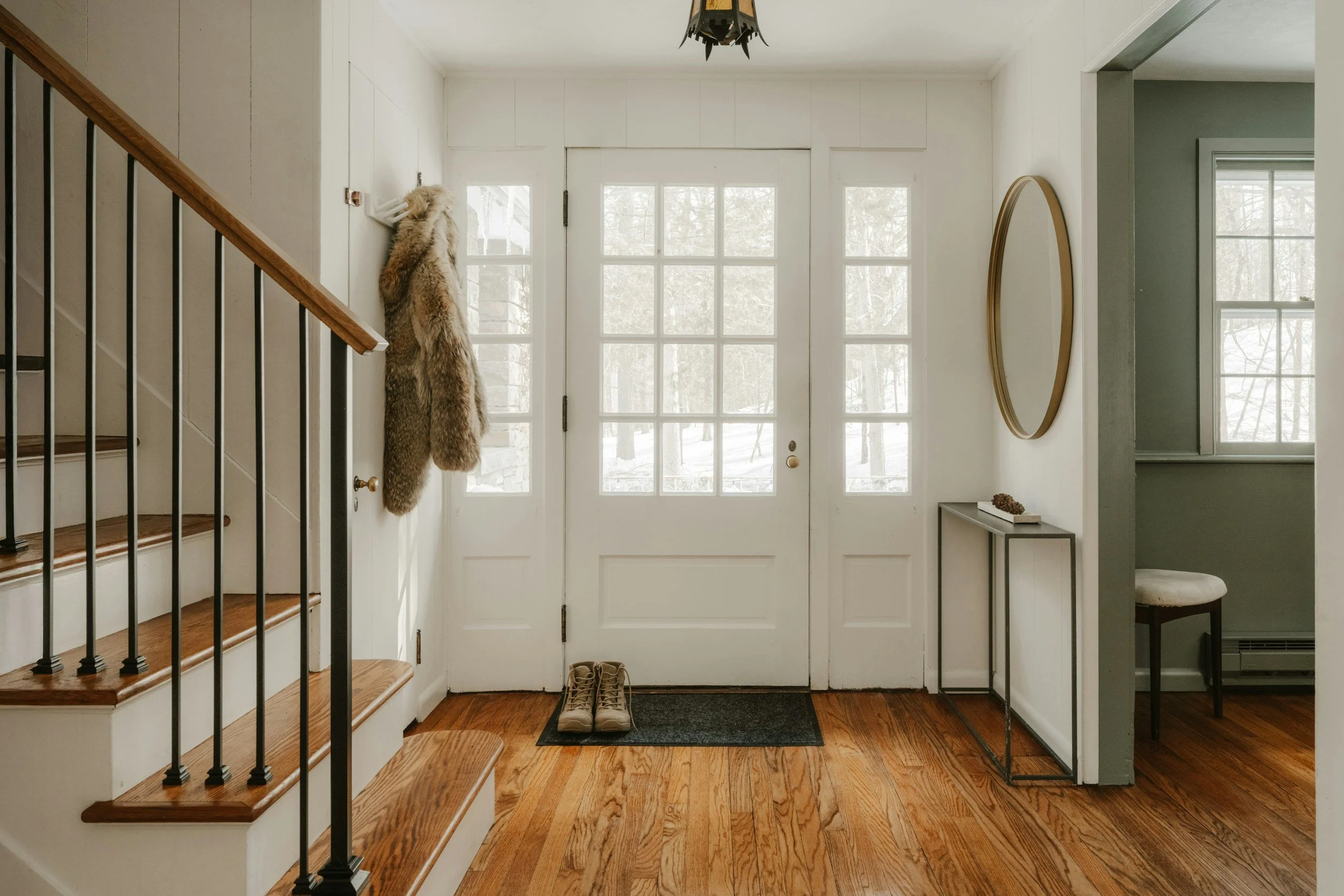
The Entryway: Why the First Five Seconds Are the Whole Game
If the entry feels welcoming, organized, and thoughtfully designed, buyers are primed to see everything else generously. If it feels cluttered, dark, or indifferent, they spend the rest of the tour looking for problems.
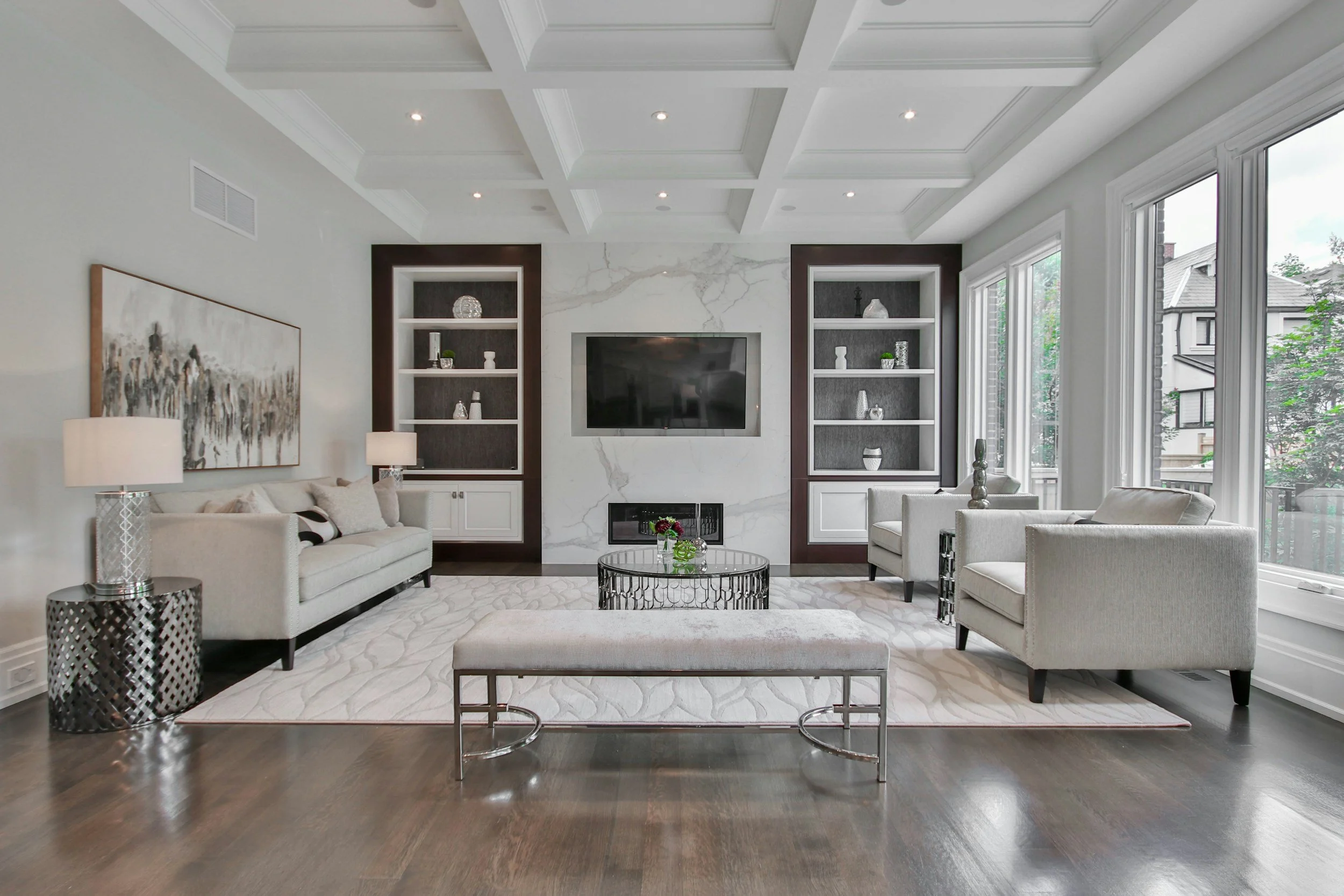
Living Rooms That Sell: Summer Staging for the Space That Does the Most Work
Furniture arrangement should facilitate connection — seating that faces each other, a central anchor like a rug or coffee table, and sightlines that feel open.
What we avoid:
• Furniture pushed to the walls — this actually makes rooms feel smaller
• Seating that faces a TV rather than other people
• Dead corners that have no purpose or presence
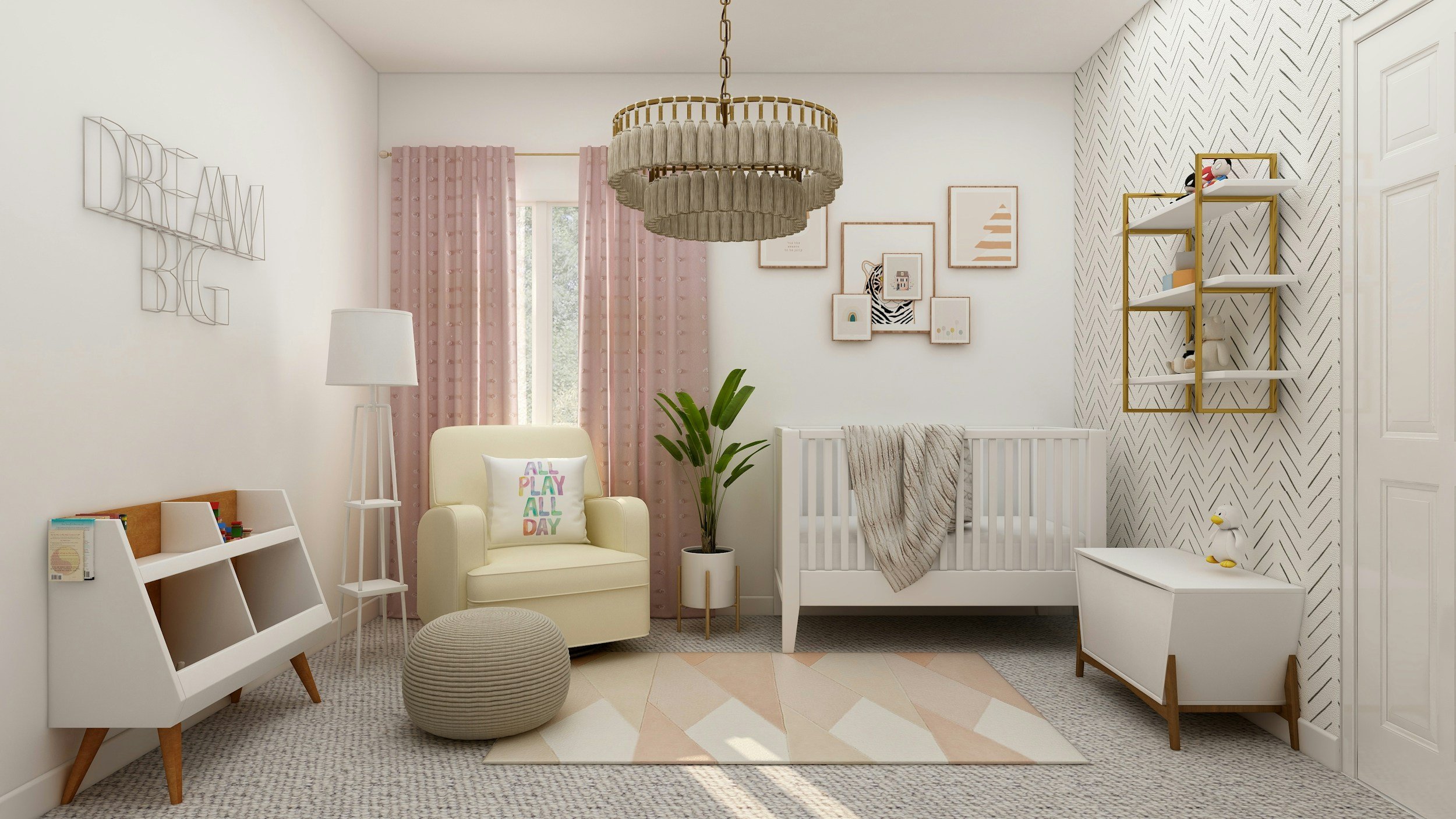
Staging for the Family Buyer: What Matters Most in Summer
Family buyers evaluate each room as a potential child's space, guest room, or home office. Staging these rooms dramatically increases their perceived value.
Minimum staging for secondary bedrooms:
• A bed, a nightstand, and one anchor piece like a chair or dresser
• A single art piece that adds color and warmth
• Clean, simple window treatment that shows light
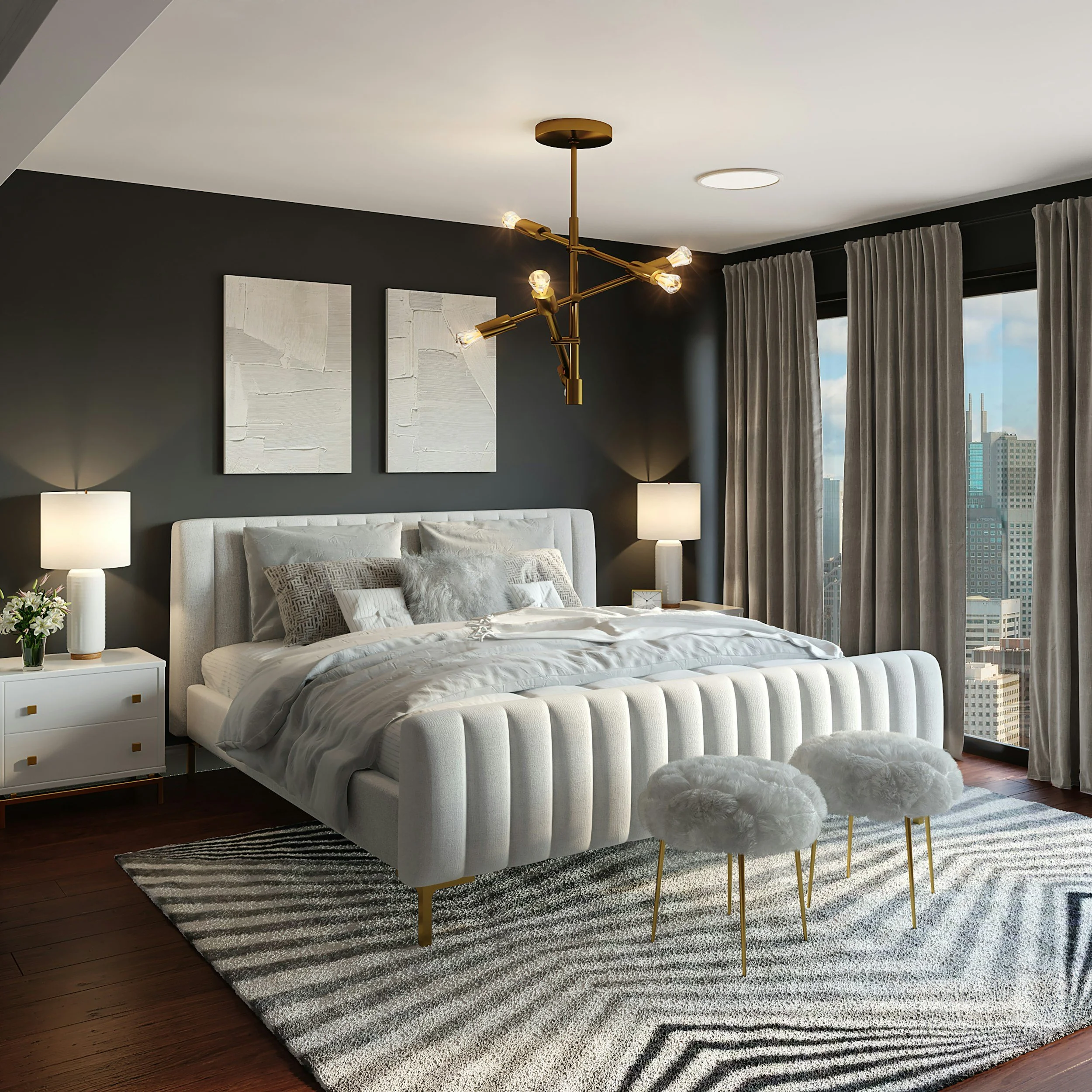
Bedroom Staging in Summer: Selling the Retreat
Heavy, dark bedding works in winter. In summer, it reads as hot and heavy. We shift to:
• White or cream linen duvets with minimal layering
• Soft blue, sage, or neutral accent pillows
• Light window treatments that filter without blocking
The goal is a bed that looks like the best sleep of the buyer's life.
The Kitchen in Summer: What Buyers Notice and Why It Matters
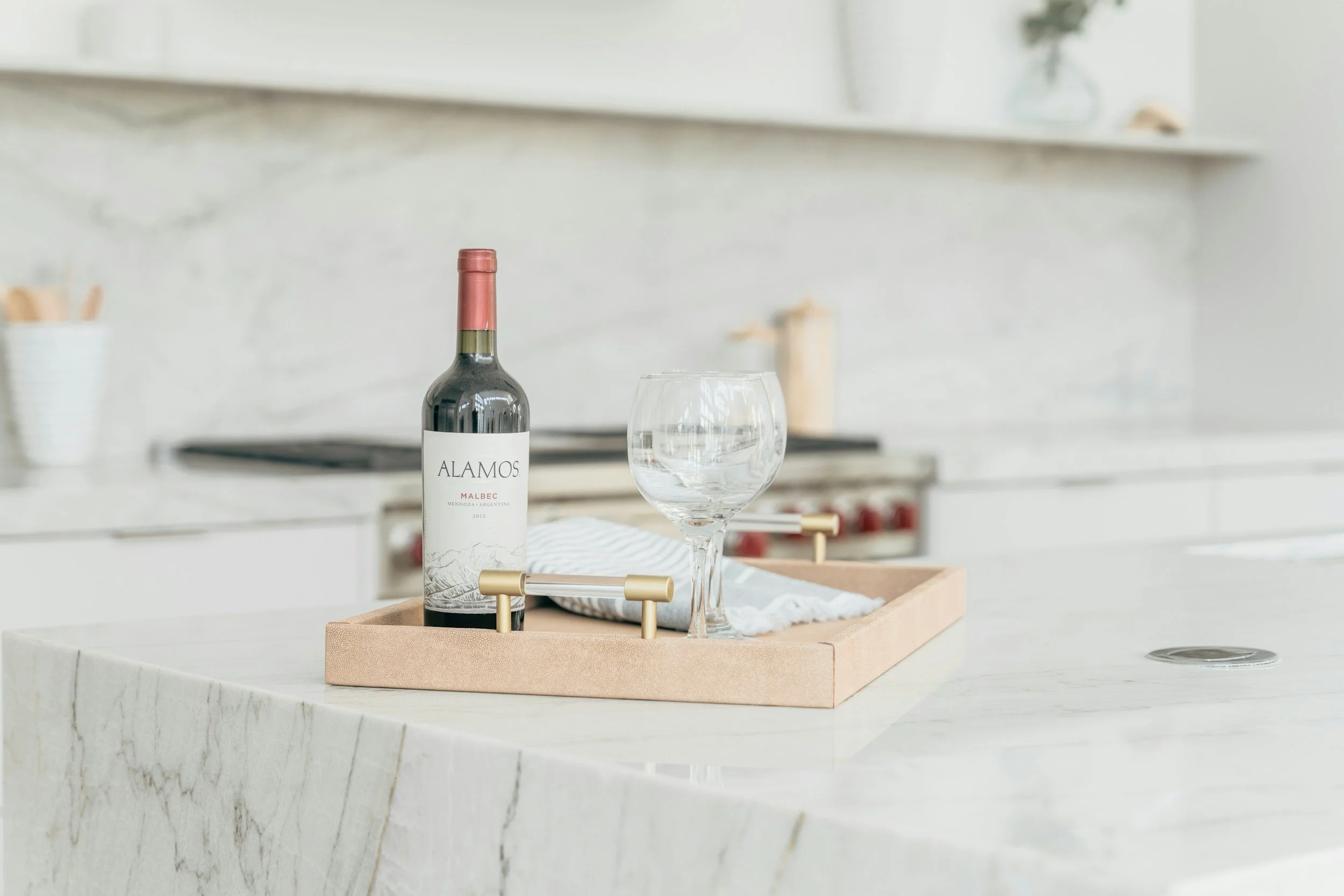
Clear counters tell buyers the kitchen is functional and spacious. We leave 80 percent of counter space completely clear and style only a few intentional vignettes.
What stays on a summer-staged counter:
• One or two cookbooks or a simple cutting board
• A single potted herb or small vase of florals
• A bowl of fresh fruit in warm colors — citrus, peaches, figs
Keeping a Staged Home Fresh Through Summer Heat
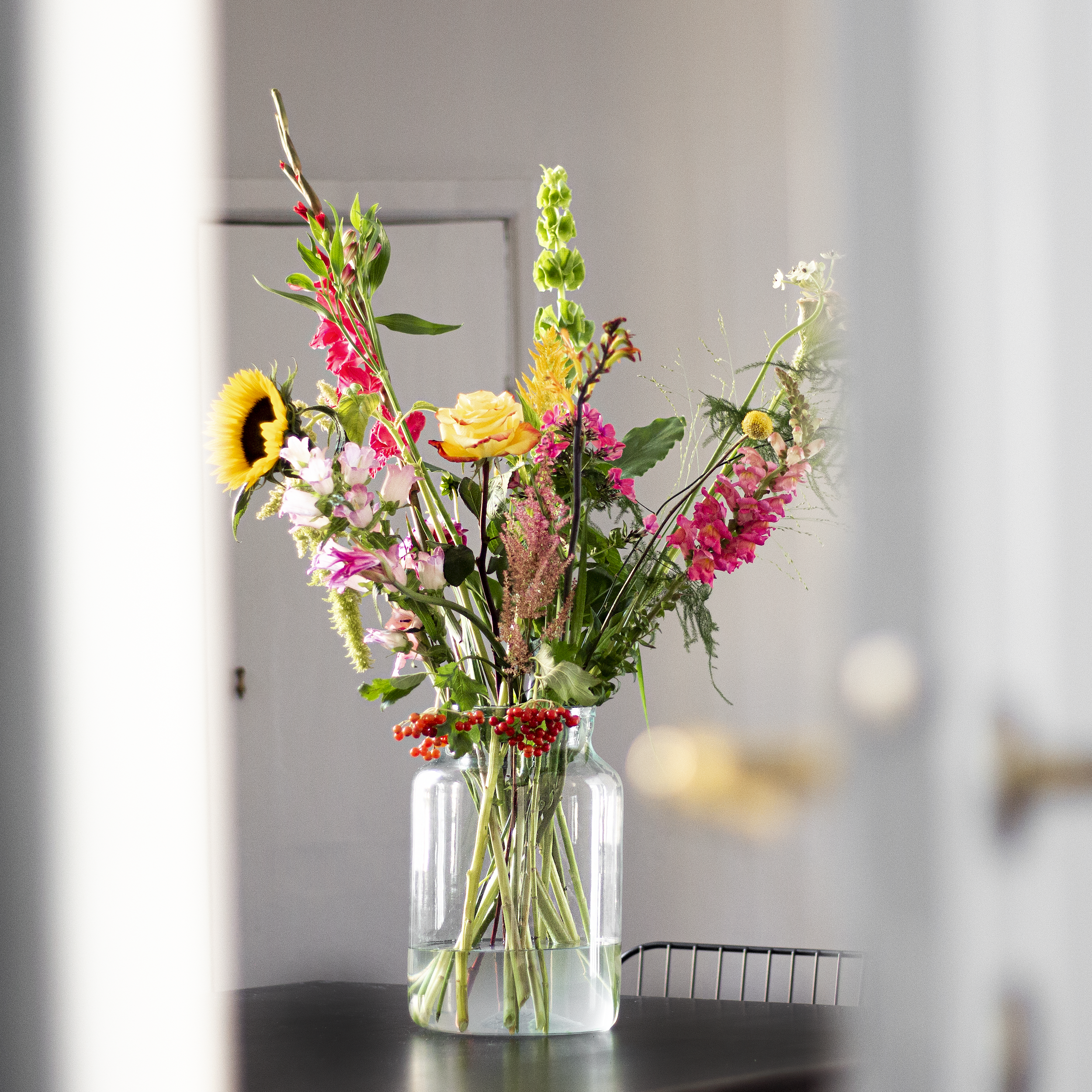
We love fresh florals and greenery. In summer, they need more management.
Our summer botanical approach:
• Swap for hardier varieties like succulents, snake plants, and tropical foliage
• Use high-quality faux botanicals in rooms with extreme sun exposure
• Place fresh florals close to showings rather than at staging install

Staging Outdoor Living Spaces for Summer Buyers
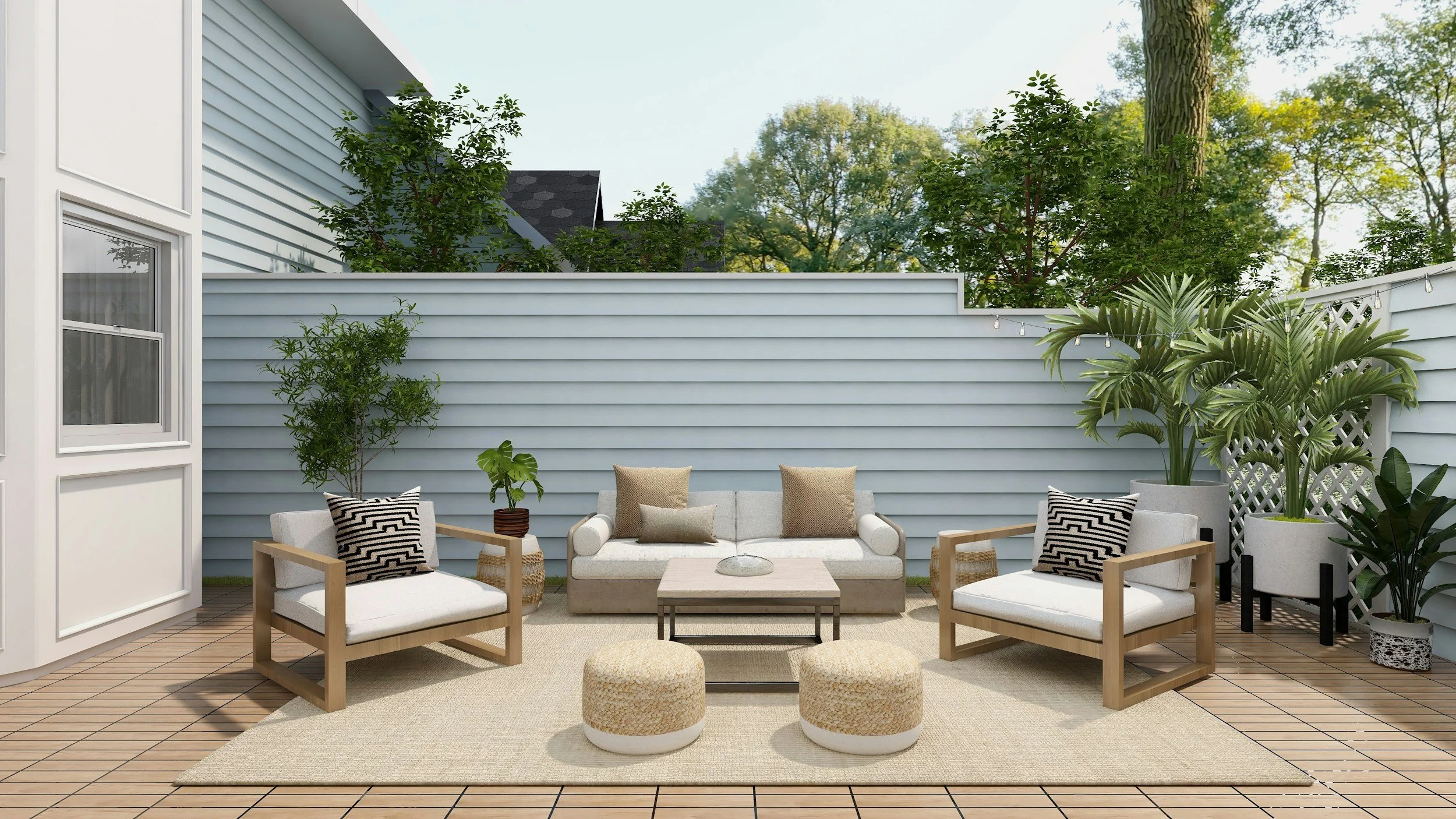
Just like interior rooms need defined purpose, outdoor spaces need it too. We create clear zones — a dining area, a seating area, a transition space — so buyers can immediately understand how the space lives.
Summer Staging: Why Light, Air, and Ease Win Every Time
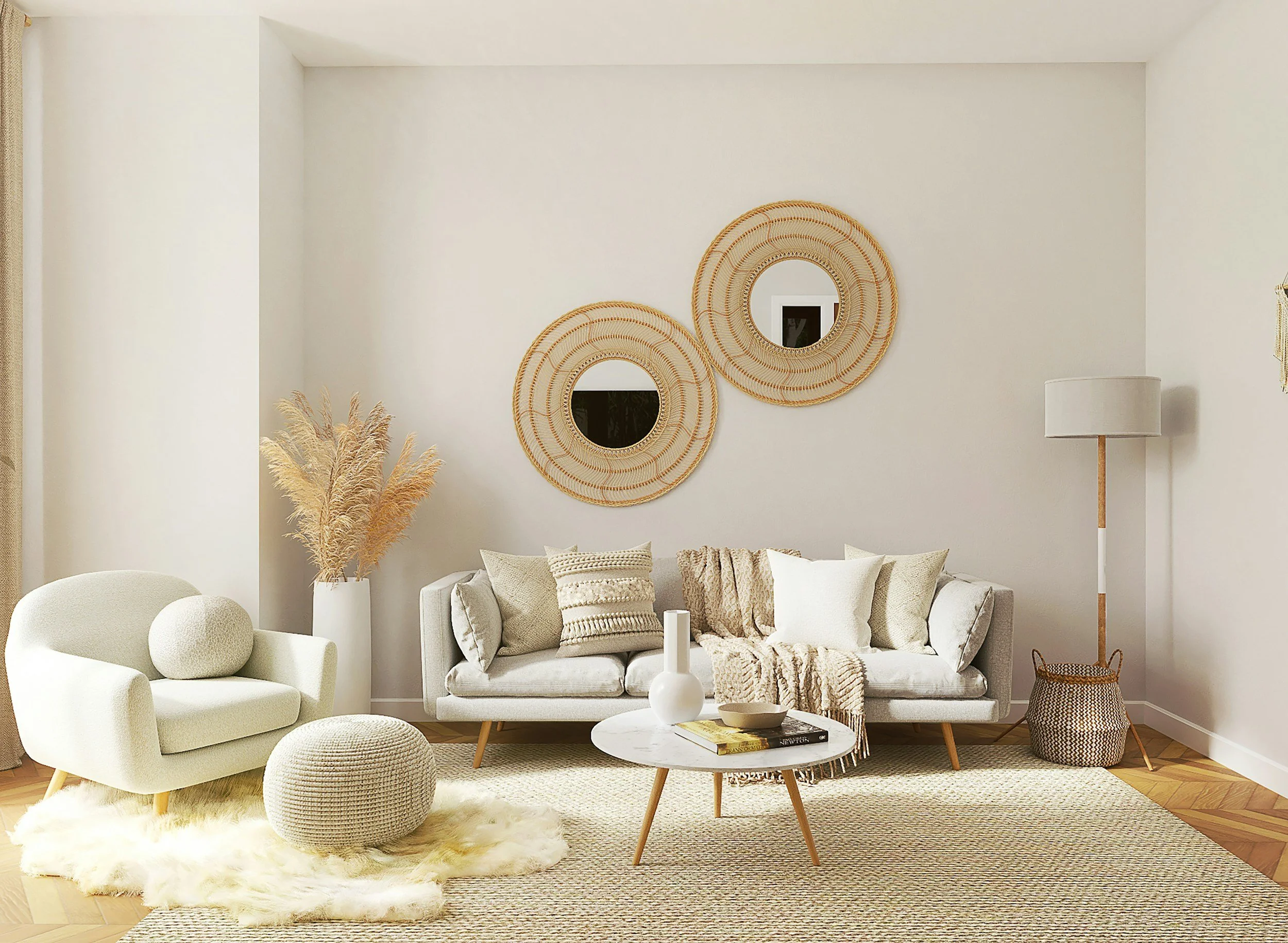
The high angle of summer sun creates bright, even interiors — but it can flatten texture and wash out color when staging doesn't account for it.
We respond to summer light by:
• Using layered, warm-toned lighting even during the day
• Introducing texture through natural materials that hold visual interest
• Choosing colors that don't disappear in strong light
End of Spring, Start of Summer: Staging the Transition
Spring staging thrives on freshness, natural light, and the energy of new beginnings. Soft greens, botanical touches, light textiles, and open windows all work with the season to create homes that feel alive and inviting. As temperatures rise, some of those elements need to evolve.
What Spring Listing Photos Actually Require
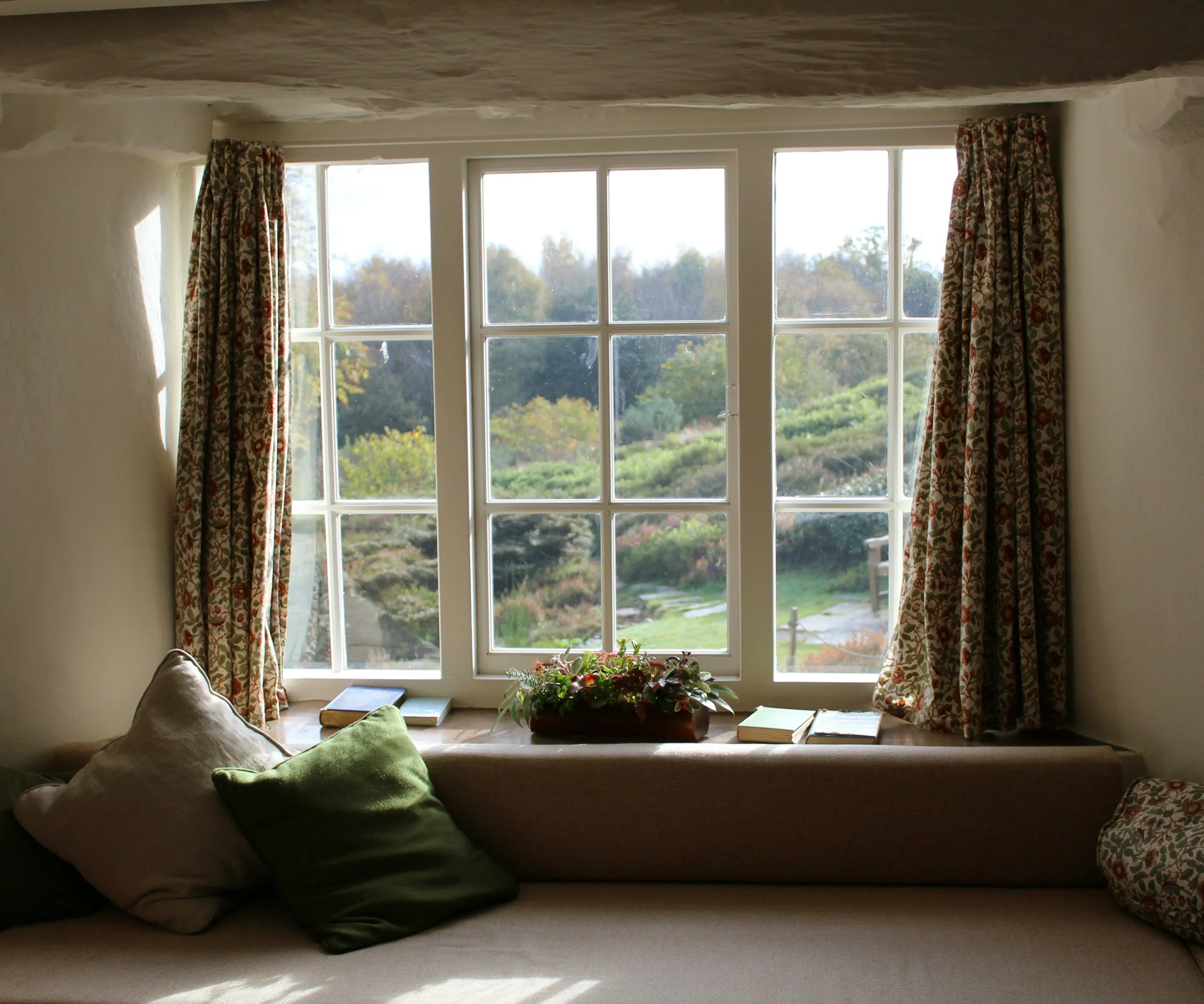
Good photography documents a well-staged home. Great photography amplifies it. The best results happen when staging and photography decisions are made together — considering angles, depth, light direction, and what each frame communicates about the space.
Color in Spring Staging: How to Get It Right Without Overdoing It
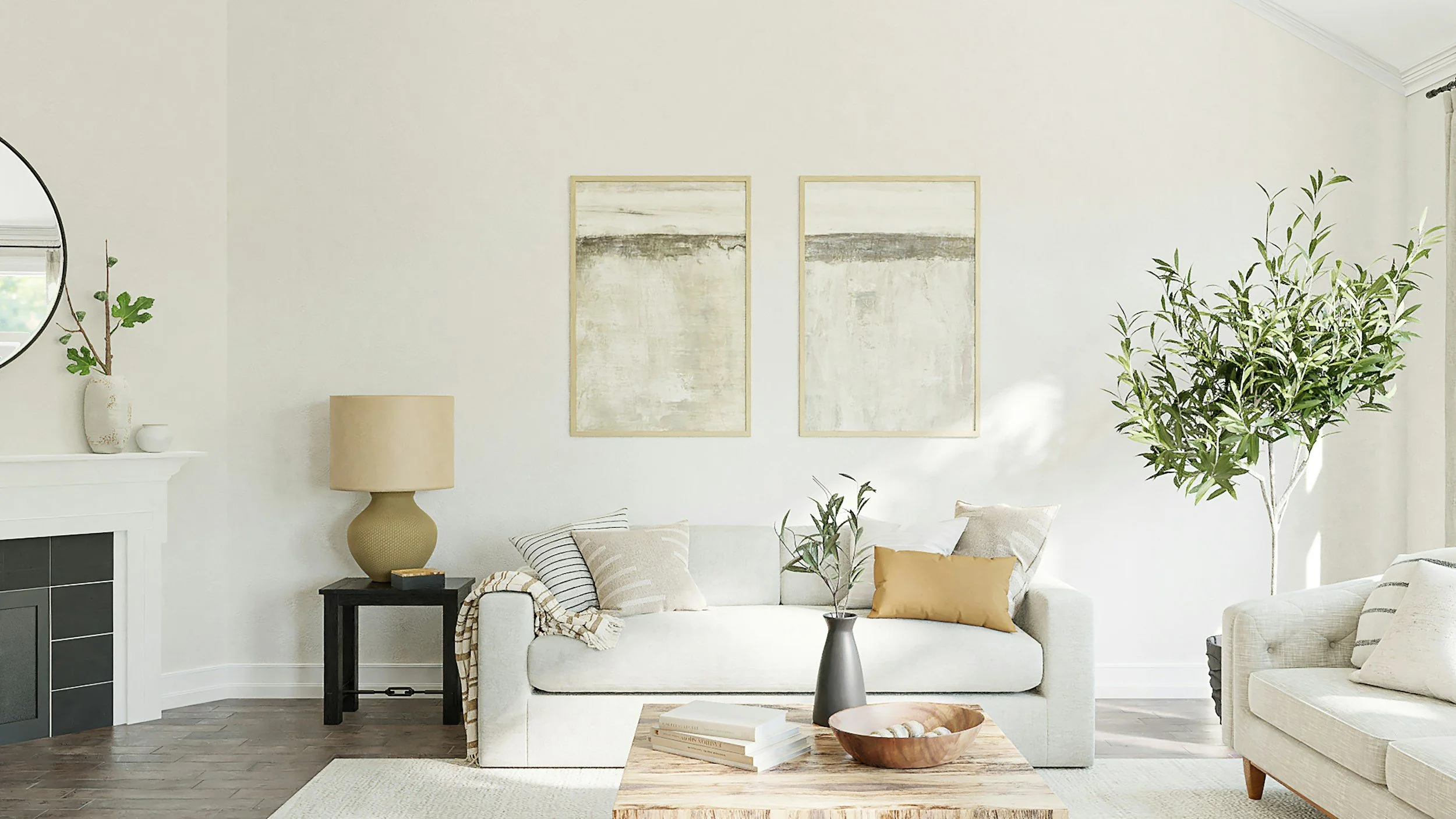
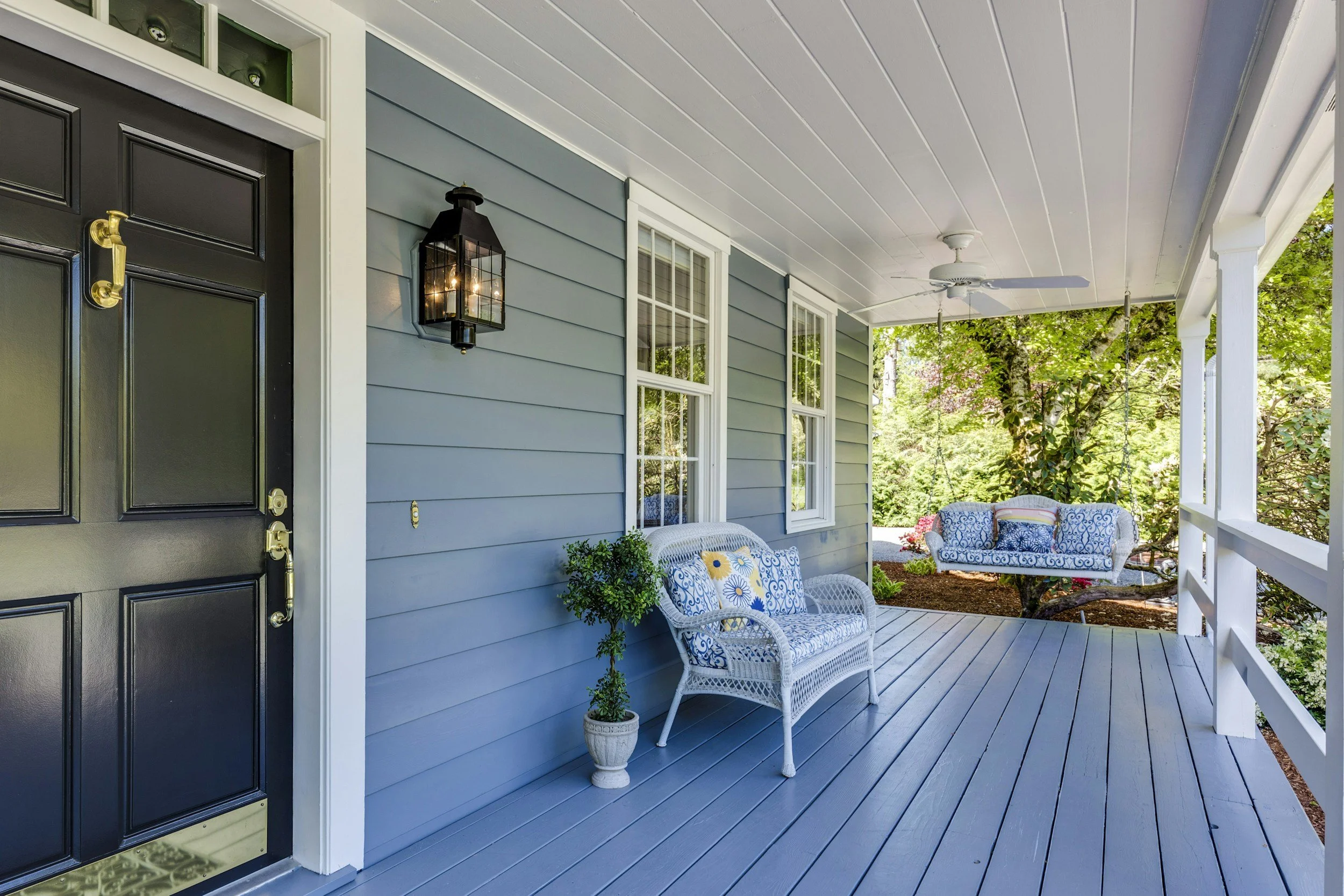
Walls, large furniture pieces, and rugs should anchor the room in tones that don't compete — warm whites, warm grays, soft taupes, and creamy linens. Neutrals aren't boring; they're intentional. They let the space breathe and give buyers room to project their own lives into it.
Why Vacant Homes Need Staging Most in Spring
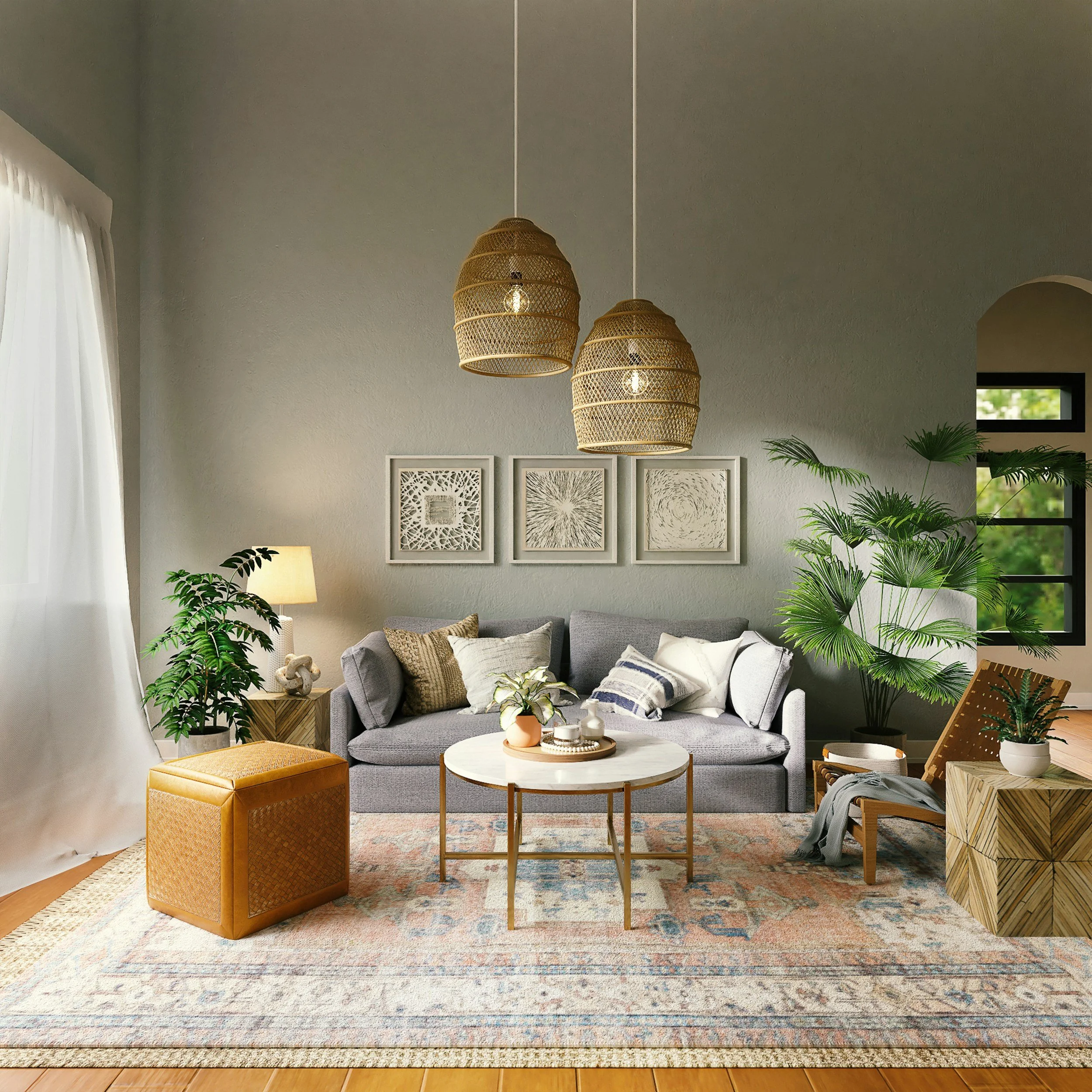
Buyers need context. Without furniture, they can't judge scale, flow, or function. A large room without staging often reads as smaller than it is.
Staging answers questions buyers have before they ask them:
• Can my furniture fit here?
• How would this flow with how we actually live?
• Does this space feel livable, not just walkable?